Fat vs Calories: What Really Causes Weight Gain?
Fat vs Calories: What Really Causes Weight Gain?

Weight gain is one of the most confusing health topics today. Some people say fat makes you fat, while others blame calories.
This confusion leads to diet failures, frustration, and unhealthy habits. Let’s break the truth down in simple language.
This guide explains the real difference between fat and calories, and what actually causes weight gain in everyday life.
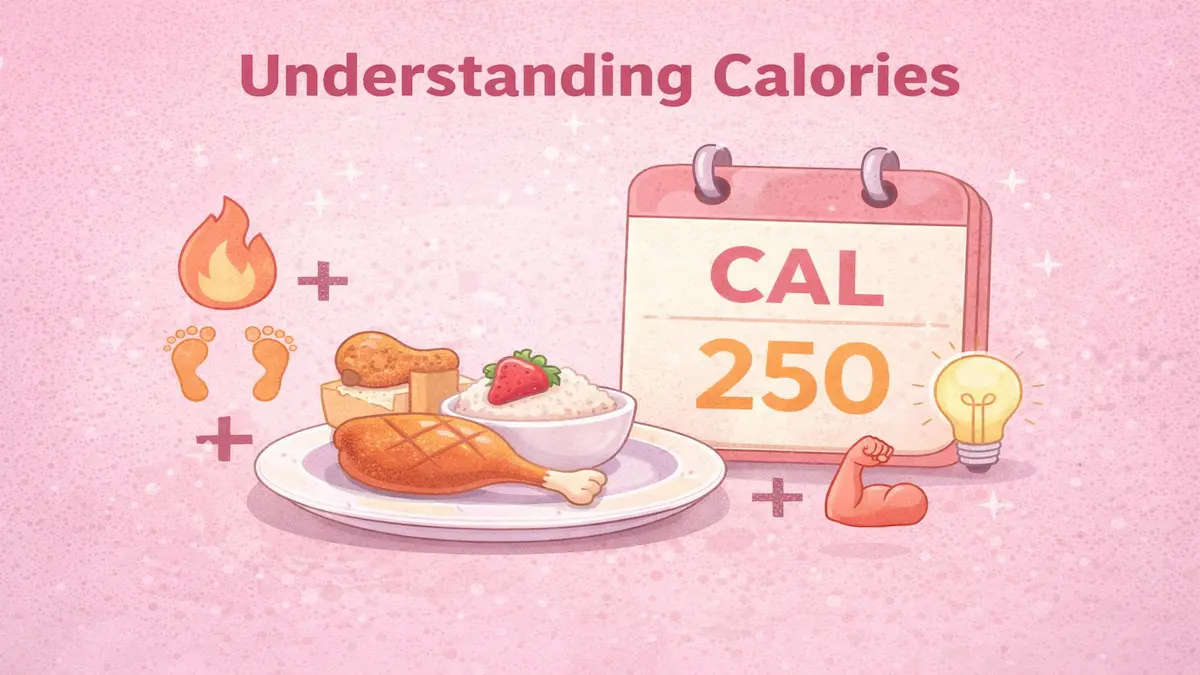
---Understanding Calories
What Are Calories?
Calories are units of energy found in food. Your body uses calories to breathe, move, think, and stay alive.
Every food contains calories, whether it’s protein, fat, or carbs. Even healthy foods add calories to your daily intake.
Calories In vs Calories Out
Weight gain happens when you eat more calories than you burn. This extra energy is stored as body fat.
If you burn more calories than you eat, your body uses stored fat for energy.
- Calories eaten > calories burned → weight gain
- Calories eaten = calories burned → weight maintenance
- Calories eaten < calories burned → weight loss
Understanding Dietary Fat
What Is Fat?
Fat is a macronutrient that provides energy and supports hormones. It also helps absorb vitamins like A, D, E, and K.
Fat is calorie-dense, providing 9 calories per gram, while protein and carbs provide only 4.
Types of Fat Matter
Not all fats affect your body the same way. Quality matters more than quantity.
- Healthy fats: nuts, seeds, olive oil, fish
- Unhealthy fats: trans fats, deep-fried foods
Healthy fats help control hunger and support metabolism, while unhealthy fats encourage overeating.
---Fat vs Calories: The Real Truth

Does Eating Fat Automatically Cause Weight Gain?
No. Eating fat alone does not cause weight gain. Weight gain happens when total calories exceed your needs.
You can gain weight eating low-fat foods if you overeat calories. You can also lose weight while eating fat if calories are controlled.
Why Fat Gets Blamed
Fat contains more calories per gram, so it’s easy to overconsume. This makes people think fat is the enemy.
The real issue is portion size and overall diet quality, not fat itself.
---Hidden Reasons People Gain Weight
Ultra-Processed Foods
Processed foods are high in calories and low in nutrients. They don’t keep you full for long.
This leads to frequent eating and calorie overload, even if the food is labeled “low fat.”
Sugary Drinks and Snacks
Liquid calories don’t trigger fullness signals. You can drink hundreds of calories without realizing it.
Sugary snacks spike blood sugar and increase hunger later.
Lack of Sleep and Stress
Poor sleep disrupts hunger hormones. Stress increases cravings for high-calorie foods.
These factors silently push calorie intake higher.
---How to Prevent Weight Gain the Right Way
1. Focus on Calorie Awareness
You don’t need to count every calorie. Just be mindful of portion sizes and frequency.
2. Choose Healthy Fats
Include fats from natural sources. They improve satiety and reduce overeating.
3. Balance Your Plate
- Protein for fullness
- Fiber-rich carbs for energy
- Healthy fats for hormones
4. Eat Slowly
Your brain needs time to register fullness. Eating slowly reduces calorie intake naturally.
---Key Benefits
- Better understanding of weight gain science
- No fear of healthy fats
- Sustainable eating habits
- Improved metabolism awareness
- Long-term weight control
Frequently Asked Questions (FAQ)
Do calories matter more than fat?
Yes. Total calorie intake matters most for weight gain. Fat type still affects health and hunger control.
Can I lose weight eating fat?
Yes. Many people lose weight on moderate-fat diets as long as calories stay controlled.
Is low-fat food better for weight loss?
Not always. Many low-fat foods are high in sugar and calories. Whole foods are a better choice.
What causes belly fat specifically?
Excess calories, stress hormones, poor sleep, and lack of physical activity contribute to belly fat.
Conclusion
Fat is not the enemy, and calories are not evil. Weight gain happens when calorie intake exceeds energy use.
The key is balance, food quality, and consistency. Understanding this removes fear and builds healthy habits.
For long-term success, focus on sustainable lifestyle changes, not extreme diets or food elimination.
Read more about sustainable weight loss habits that last .
Read more about cybersecurity basics and protection .


