Functional Training for Beginners | Simple Full-Body Workout Guide
Functional Training for Beginners: A Complete Step-by-Step Guide
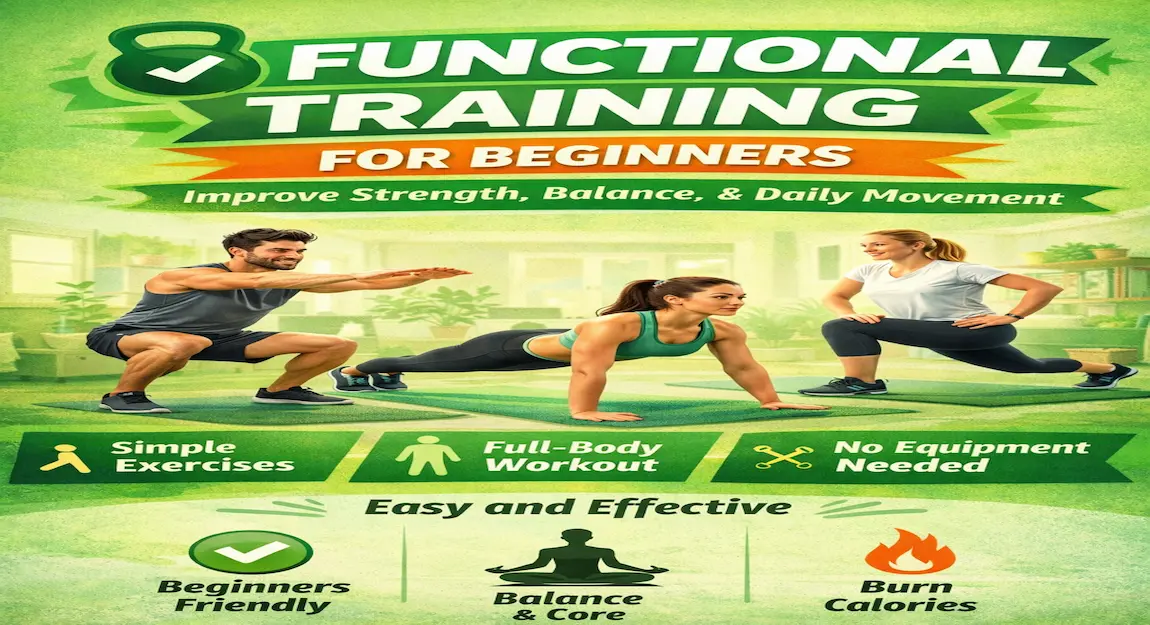
Functional training is one of the most beginner-friendly workout styles. It focuses on movements you use in daily life like bending, lifting, and walking. This makes it ideal for people who are new to exercise.
Unlike traditional gym workouts, functional training improves overall body movement. It helps you become stronger, more balanced, and less prone to injuries. Beginners can safely start with simple bodyweight exercises.
What Is Functional Training?
Understanding Functional Movement
Functional training involves exercises that mimic real-life activities. These movements train multiple muscles at the same time. This improves coordination and overall body control.
How It Differs from Traditional Workouts
Traditional workouts often isolate one muscle group. Functional training focuses on full-body movements. This makes it more practical and beginner-friendly.
Who Should Do Functional Training?
Functional training is suitable for all age groups. Beginners, seniors, and office workers can benefit greatly. It can be done at home or in the gym.
Why Functional Training Is Ideal for Beginners
Easy to Learn Movements
The exercises are simple and natural. Most movements are already familiar to your body. This reduces confusion and fear for beginners.
Lower Risk of Injury
Functional training improves balance and posture. It strengthens stabilizing muscles and joints. This helps prevent common workout injuries.
No Equipment Required
Most beginner routines use only body weight. This makes functional training affordable and accessible. You can start anytime, anywhere.
Basic Functional Training Exercises for Beginners
Squats
Squats improve leg strength and mobility. They help with everyday activities like sitting and standing. Keep your back straight while performing them.
Push-Ups (Modified)
Push-ups strengthen the upper body and core. Beginners can start with knee or wall push-ups. Focus on slow and controlled movement.
Plank Hold
Planks improve core stability and posture. They strengthen the abdomen, back, and shoulders. Hold for short durations in the beginning.
Lunges
Lunges improve balance and leg coordination. They help strengthen hips and thighs. Start with small steps for better control.
Beginner Functional Training Routine (15–20 Minutes)
Warm-Up (5 Minutes)
Warming up prepares your body for exercise. It increases blood flow and reduces stiffness. Never skip this step.
- March in place
- Arm swings
- Hip rotations
- Light jumping jacks
Main Workout (10 Minutes)
Perform each exercise for 30 seconds. Rest for 15 seconds between movements. Repeat the circuit twice.
- Bodyweight squats
- Wall push-ups
- Standing lunges
- Plank hold
- Glute bridges
Cool Down (5 Minutes)
Cooling down relaxes your muscles. It improves flexibility and recovery. Stretch slowly and breathe deeply.
Key Benefits of Functional Training
Improves Daily Movement
Functional training makes everyday activities easier. Tasks like lifting, walking, and climbing feel smoother. Your body moves more efficiently.
Builds Overall Strength
It strengthens multiple muscles at once. This leads to balanced muscle development. Beginners gain strength safely.
Enhances Balance and Stability
Balance-focused movements improve coordination. This is especially helpful for beginners and seniors. It reduces the risk of falls.
Supports Weight Management
Functional workouts burn calories effectively. They increase metabolism and muscle engagement. This supports healthy weight control.
Tips for Beginners Starting Functional Training
Start Slow
Begin with fewer repetitions. Allow your body to adapt gradually. Progress at your own pace.
Focus on Proper Form
Correct form prevents injuries. Quality matters more than quantity. Use mirrors or guidance if needed.
Stay Consistent
Consistency is more important than intensity. Train at least 3–4 times a week. Small efforts lead to long-term results.
Frequently Asked Questions (FAQ)
Is functional training good for beginners?
Yes, it is one of the best options for beginners. It uses natural movements and low-impact exercises. It is safe and effective.
Can functional training be done at home?
Absolutely. Most exercises require no equipment. A small open space is enough. This makes it very convenient.
How often should beginners do functional training?
Beginners can start with 3 days a week. Gradually increase frequency as fitness improves. Rest days are equally important.
Does functional training help with weight loss?
Yes, it helps burn calories and build muscle. Combined with a healthy diet, it supports weight loss. Consistency is key.
Helpful Internal Resources
If you want to improve endurance along with functional training, Read more about beginner cardio strategies to build stamina safely.
For understanding health and safety awareness, Read more about infection control and health awareness.
Conclusion
Strong Foundation for Fitness
Functional training helps beginners build a strong fitness base. It improves strength, balance, and daily movement. This makes fitness more practical and enjoyable.
Start Simple and Stay Active
You don’t need complex equipment or long workouts. Start with basic movements and stay consistent. Functional training can transform your lifestyle naturally.


Comments
Post a Comment