The Seated Mobility Secret: Improve Flexibility While Sitting
The Seated Mobility Secret for Everyday Movement
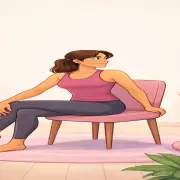
Have you ever ended the workday with sore hips, a stiff back, or achy shoulders and wondered why? Sitting for long hours has become part of modern life. Whether at a desk, on the couch, or during long commutes, our bodies adapt to a sedentary rhythm that can lead to tight joints, limited movement, and pain.
But what if you could improve your mobility without laying down a yoga mat or visiting a gym? What if the secret to better movement lies in simple routines you do right from your chair?
Welcome to the world of **seated mobility** — empowering, gentle, and effective movement designed for all ages and fitness levels.
Understanding Seated Mobility
Seated mobility focuses on improving how your joints move and your muscles respond through intentional exercise while sitting. Unlike regular workouts that may prioritize strength or endurance, mobility emphasizes fluid motion and range.
This approach works especially well for people who sit a lot, need low-impact movement options, or want to ease stiffness without high intensity. It’s about **quality of movement** rather than quantity of effort.
Key Benefits
Seated mobility isn’t just a convenient choice — it’s a smart one. Here’s why this approach is gaining popularity:
- Improved flexibility — constant movement keeps joints healthy and limber.
- Better posture — strengthening alignment muscles reduces slouching.
- Reduced stiffness — gentle motion keeps tissues from tightening.
- Enhanced circulation — movement stimulates blood flow throughout the body.
- Stress reduction — breath-focused exercises calm the nervous system.
Seated mobility can set the foundation for better overall movement, making everyday activities feel easier and more comfortable.
How Seated Mobility Works
Unlike traditional workouts, seated mobility is not about pushing through pain or reaching intense muscle fatigue. Instead, the key is *smooth control* and *steady engagement*.
Each movement targets a specific body region, helping to unlock tension and promote ease. These exercises can be done multiple times a day — even during breaks at work!
Seated Mobility Routine You Can Do Anywhere
The following routine takes just 10–15 minutes and can be practiced daily.
1. Seated Breath and Centering
Begin by sitting tall in a sturdy chair with your feet flat on the floor.
- Place your hands lightly on your abdomen.
- Inhale deeply through your nose, letting your belly expand.
- Exhale slowly through your mouth, drawing your belly toward your spine.
- Repeat 5 times.
This breath pattern initiates relaxation, boosts oxygen flow, and prepares your body for movement.
2. Gentle Neck Rolls
Commanding your neck movement can relieve tension built from hours at a screen.
- Slowly drop your right ear toward your right shoulder.
- Roll your chin down toward your chest, then to the left shoulder.
- Repeat 3 times each direction.
This supports head alignment and reduces stiffness in the upper neck and shoulders.
3. Seated Spinal Twist
This movement helps release tension along your spine and improves rotational flexibility.
- Sit near the edge of your chair with your feet flat.
- Place your right hand on the left side of the chair back.
- Gently twist your torso to the right while keeping your hips forward.
- Hold 20–30 seconds, then switch sides.
4. Hip Opener Stretch
Hips often become tight from prolonged sitting. This stretch creates space in deeper muscles.
- Lift your right ankle and place it on your left knee.
- Keep your back straight and lean forward slightly.
- Hold 20–30 seconds and switch sides.
Hip flexibility influences lower back comfort and ease of walking.
5. Ankle Mobilization
Active ankles support balance and circulation.
- Straighten one leg out in front of you.
- Point your toes away, then flex them toward you.
- Repeat 10–15 times per foot.
Good ankle mobility improves foot health and overall movement quality.
6. Shoulder Circles and Arm Reaches
Relaxing your shoulders opens up your chest and reduces upper back stiffness.
- Shrug your shoulders up, then roll them back and down.
- Reach both arms overhead with light side stretches.
- Repeat 8–12 times.
This portion of the routine supports upper back mobility and opens the chest region.
Tips for Success
Mobility doesn’t need to be rushed or forceful. Keep these pointers in mind:
- Move slowly and breathe with intention.
- Only go as far as comfortable — no pain necessary.
- Practice consistently for best results.
- Use a sturdy chair without wheels if possible.
Real-World Impact
People who practice seated mobility regularly often report:
- Less muscle tension after long sitting sessions
- Reduced headaches and neck strain
- Improved readiness for longer standing or walking periods
- Less shoulder tightness and better posture
Mobility isn’t just physical — it affects your comfort, confidence, and daily quality of life.
Want to Learn More?
Read more about free health support options available in India at Free Cancer Treatment Schemes in India.
Also, discover common mistakes people make with AI tools at Mistakes People Make While Using ChatGPT.
Frequently Asked Questions (FAQs)
Is seated mobility effective for everyone?
Yes. It’s gentle and adaptable for beginners, seniors, or anyone unable to do high-impact workouts.
How long should I practice each day?
Just 10–15 minutes daily can show noticeable improvements in comfort and flexibility.
Can seated mobility help reduce back pain?
Many people find it helps by promoting movement in stiff areas and improving posture support muscles.
Do I need special equipment?
No. Just a chair and a little space are enough — though comfortable clothing helps.
Conclusion
The Seated Mobility Secret isn’t complicated. It’s about using what you already have — your body and a chair — to unlock better movement, less tension, and improved comfort throughout the day.
With consistent practice and mindful breathing, you can build resilience in your joints and feel more energetic, even after long sitting sessions. This simple routine bridges the gap between inactivity and purposeful movement, giving you tools that fit easily into daily life.
Remember — mobility is not about perfection. It’s about progress. Start small, stay consistent, and enjoy the journey toward a more flexible, comfortable you.
 |
| The Seated Mobility Secret – Seated Mobility Exercise |


Comments
Post a Comment