Squat Every Day: Benefits, Safety Tips, and Daily Squat Routine
Squat Every Day
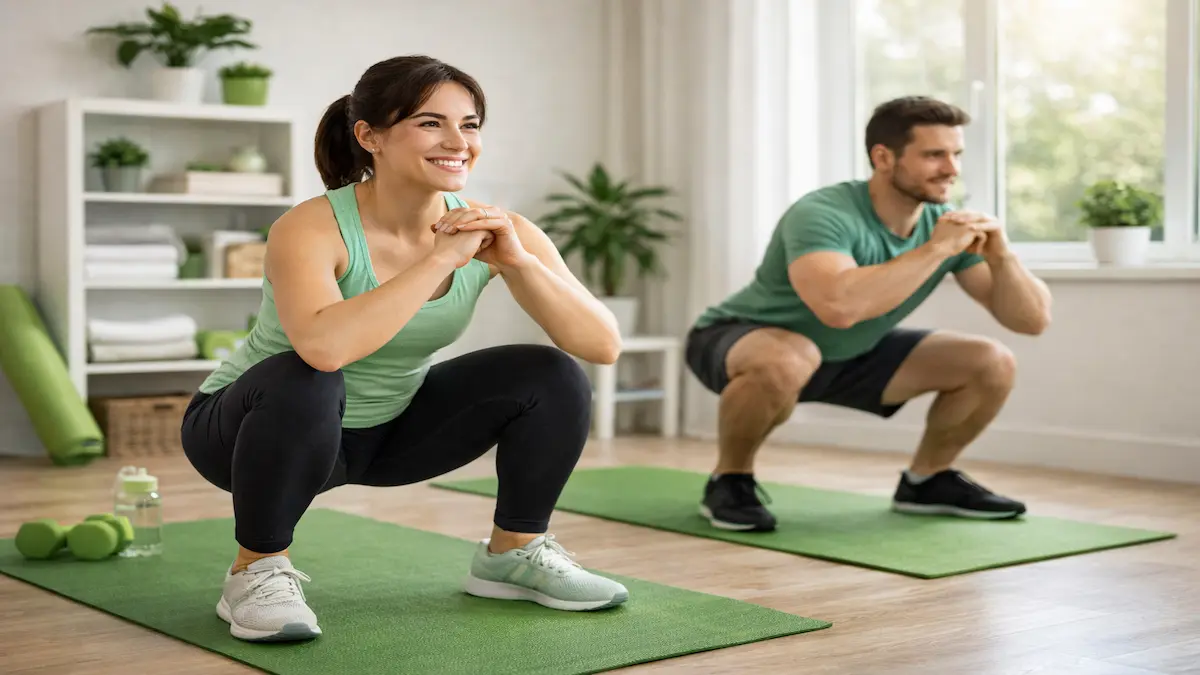
Squats are one of the most powerful and natural human movements. They strengthen your legs, improve balance, and support daily activities. Many people now ask a simple question: is it safe to squat every day?
The idea of squatting daily sounds simple, but it must be done correctly. This guide explains how squatting every day works for beginners and active adults. You will learn benefits, safety rules, and how to build a daily habit.
What Does “Squat Every Day” Really Mean?
Understanding the Daily Squat Concept
Squatting every day does not mean heavy workouts without rest. It means practicing the squat movement daily in a smart way. Some days can be light and focused on mobility.
Daily squats can include bodyweight squats, slow squats, or deep holds. The goal is movement quality, not exhaustion. This approach keeps joints healthy and muscles active.
Why Squats Are a Fundamental Movement
Squats mimic everyday actions like sitting and standing. They engage multiple muscle groups at once. This makes them efficient and functional.
Your legs, hips, core, and even upper body work together. Few exercises offer so many benefits in one movement. That is why squats are often called a “foundation exercise.”
Who Should Consider Squatting Every Day?
Beginners and Desk Workers
People who sit for long hours often have stiff hips and weak legs. Daily squats help restore natural movement. They counteract the effects of prolonged sitting.
Beginners can start with shallow squats. Over time, depth and control improve naturally. This gradual approach keeps training safe.
Active Individuals and Athletes
For active people, daily squats improve mobility and recovery. Light squats increase blood flow to the legs. This can reduce stiffness and soreness.
Not every day needs heavy resistance. Alternating intensity keeps muscles fresh. It also lowers the risk of overuse injuries.
How to Squat Every Day Safely

Step 1: Master Proper Squat Form
Good form is essential for daily squatting. Your feet should be shoulder-width apart. Keep your chest upright and core engaged.
Lower your hips while keeping heels on the ground. Knees should track in line with toes. Move slowly and with control.
Step 2: Start With Bodyweight Only
Bodyweight squats are perfect for daily practice. They allow you to focus on technique. There is less strain on joints.
Once your form is consistent, light weights can be added. Progress should always feel comfortable. Pain is a signal to stop.
Step 3: Vary Intensity and Volume
Daily squatting works best with variation. Some days can be high repetitions. Other days can focus on slow tempo.
This variation prevents boredom and overtraining. It also improves overall squat quality. Your body adapts more effectively.
Step 4: Warm Up and Cool Down
Warm-ups prepare your hips, knees, and ankles. Even a few minutes make a difference. Never skip this step.
Read more about improving mobility with seated exercises to support daily squatting.
Different Types of Squats for Daily Practice
Bodyweight Squats
These are the safest and most accessible squats. They are ideal for daily movement. No equipment is required.
- Standard bodyweight squats
- Slow tempo squats
- Pause squats
Focus on smooth movement and breathing. Quality repetitions matter most. This builds long-term strength.
Assisted Squats
Assisted squats use support for balance. They help beginners build confidence. They also improve squat depth.
- Chair-supported squats
- Wall squats
- Door-handle assisted squats
These variations reduce joint stress. They are excellent for recovery days. They keep the habit consistent.
Weighted Squats (Occasionally)
Weights can be added once your body adapts. They should not be used every day. Heavy loading requires rest.
Limit weighted squats to two or three days per week. Use light to moderate resistance. Balance is the key.
Key Benefits of Squatting Every Day
Stronger Legs and Glutes
Daily squats activate major lower-body muscles. Legs become stronger and more resilient. Glutes support posture and movement.
This strength improves daily tasks. Walking and climbing feel easier. Energy levels increase gradually.
Better Hip and Ankle Mobility
Squatting improves joint range of motion. Hips and ankles move more freely. This reduces stiffness.
Improved mobility lowers injury risk. It also improves exercise performance. Movement feels smoother.
Improved Posture and Balance
Squats strengthen the core and back muscles. This supports upright posture. Balance improves over time.
Better balance reduces fall risk. It also improves coordination. Confidence in movement increases.
Supports Weight Management
Squats burn calories and build muscle. Muscle boosts metabolism naturally. This supports healthy weight goals.
Daily movement matters more than intensity. Consistency brings visible results. Small habits lead to big changes.
Common Mistakes When Squatting Every Day
Ignoring Pain Signals
Pain is not normal during squats. Discomfort means something is wrong. Ignoring it can cause injury.
Rest and adjust when needed. Form should always feel controlled. Listen to your body.
Going Too Deep Too Soon
Depth should increase gradually. Forcing deep squats can strain joints. Progress takes time.
Work within your comfort range. Depth improves naturally with practice. Patience prevents setbacks.
Simple Daily Squat Routine
Beginner-Friendly Plan
- Warm-up: 5 minutes
- Bodyweight squats: 3 sets of 10
- Pause squats: 2 sets of 5
- Light stretching: 5 minutes
This routine takes less than 20 minutes. It fits easily into daily life. Consistency is the goal.
Read more about building safe daily habits to stay consistent long-term.
Frequently Asked Questions
Is it safe to squat every day?
Yes, if done with proper form and light intensity. Bodyweight squats are generally safe. Avoid heavy loads daily.
How many squats should I do daily?
Beginners can start with 10–30 squats. Quality matters more than numbers. Increase slowly.
Can squats help with flexibility?
Yes, squats improve hip and ankle mobility. They encourage natural movement. Consistency brings flexibility gains.
Conclusion
Squatting every day can be a powerful habit. It strengthens the body and improves mobility. When done correctly, it supports long-term fitness.
Focus on form, listen to your body, and stay consistent. Small daily efforts create lasting results. Squat smart and move better every day.
Comments
Post a Comment